Vietnam Sleeper Bus Guide: Experience, Comfort & Safety
 By Jenna Jolie
 Overnight travel is common in Vietnam, and sleeper buses are one of the most practical ways to cover long distances. Sleeper buses are one of the most popular ways to travel between major cities such as Hanoi, Hue, Da Nang, Nha Trang, and Ho Chi Minh City. They are affordable, widely available, and can help you save the cost of one hotel night.
Comfort and service can vary significantly depending on the bus company, route, and bus type. This guide covers real sleeper bus experiences in Vietnam, what to expect on board, and how to make your trip smoother.
- What Is a Sleeper Bus in Vietnam?
- Sleeper Bus Vietnam Experiences: Pros and Cons
- How Comfortable Are Sleeper Buses in Vietnam?
- Important Tips from Experienced Travelers
- Toilets and Rest Stops: What to Expect
- Is Sleeper Bus Travel Safe in Vietnam?
- Sleeper Bus or Train in Vietnam?
- Frequently Asked Questions
- Final Thoughts
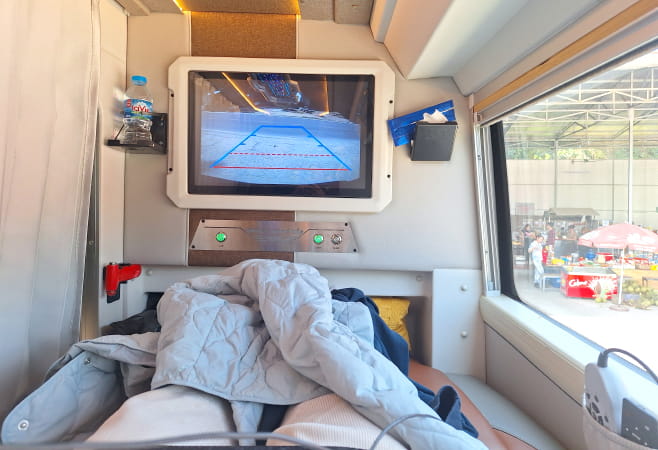 A modern luxury sleeper bus in Vietnam with private cabin-style berths
What Is a Sleeper Bus in Vietnam?
A sleeper bus is a long-distance coach designed with reclining beds or sleeping pods instead of regular seats. Buses usually have three rows of bunks, sometimes stacked in tiers.
Common layouts include:
- Reclining sleeper seats
- Double-deck sleeping berths
- Private cabins in VIP buses
These buses often run overnight and connect most tourist routes across Vietnam.
Most Popular Routes
These routes are commonly traveled by sleeper bus:
- Hanoi – Sapa (5–6 hrs) – Very popular, many operators
- Hanoi – Ha Giang (6–7 hrs) – For the Ha Giang Loop tour
- Hanoi – Hue (12–14 hrs) – Long overnight trip
- Ninh Binh – Hue (15–18 hrs) – Very long journey
- Hue - Da Nang (2–3 hrs) - Short and easy
- Da Nang - Nha Trang (9–12 hrs) - Useful overnight route
- Ho Chi Minh City – Da Lat (6–7 hrs) – Mountain road, winding
- Ho Chi Minh City – Mui Ne (4–5 hrs) – Shorter route
Sleeper Bus Vietnam Experiences: Pros and Cons
Main Advantages
Many travelers choose sleeper buses because they:
- They usually cost less than domestic flights.
- Save one night of hotel expenses
- Offer direct routes between cities
- Booking is usually simple, even at short notice.
For backpackers, couples, and families with older children, this can be a convenient travel option.
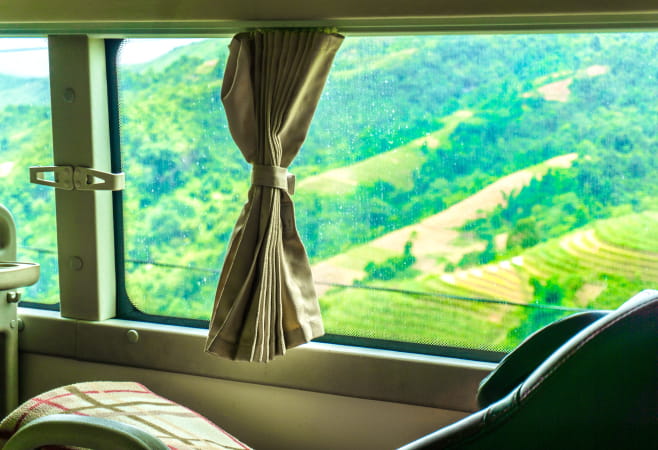 View from inside a sleeping bus
Common Drawbacks
Comfort can vary widely, and not every journey feels smooth or restful. Frequent traveler complaints include:
- Limited legroom for tall passengers
- Narrow sleeping spaces
- Noise from other travelers
- Frequent overnight stops
- Strong air conditioning
- Uneven driving on some roads
On trips longer than 8 hours, comfort depends heavily on the bus company.
How Comfortable Are Sleeper Buses in Vietnam?
Comfort levels vary by operator and route.
Standard Sleeper Bus
- Lowest-cost option
- Basic reclining beds
- Less privacy
- Tighter space
VIP Sleeper Bus
- Wider beds
- Fewer passengers
- Curtains or semi-private sections
- USB charging and water on many routes
Luxury Cabin Bus
- Enclosed sleeping pods
- More privacy and a quieter space
- Ideal for couples or long overnight trips
For rides over 6–7 hours, upgrading to a VIP or cabin bus can significantly improve comfort and sleep quality.
Important Tips from Experienced Travelers
1. Before Booking
Choose a reliable bus company
A trusted operator usually means better cleanliness, safer driving, and more accurate departure times.
Check:
- Recent customer reviews
- Interior photos
- Route details and pick-up points
Book early, as VIP buses tend to sell out quickly
Book through your hotel/hostel. Staff can help with problems and know reliable operators.
Pick the Right Berth
Lower berths are usually more stable. Rear beds tend to feel bumpier on rough roads.
Pro Selection Tips
- Lower Deck is King: It’s more stable. The top deck (Upper) tends to sway significantly on the winding mountain roads of Northern Vietnam.
- Avoid the Back Row: The very back of the bus is usually one continuous flat bed where 5 people sleep shoulder-to-shoulder. Unless you’re traveling with 4 friends, avoid this.
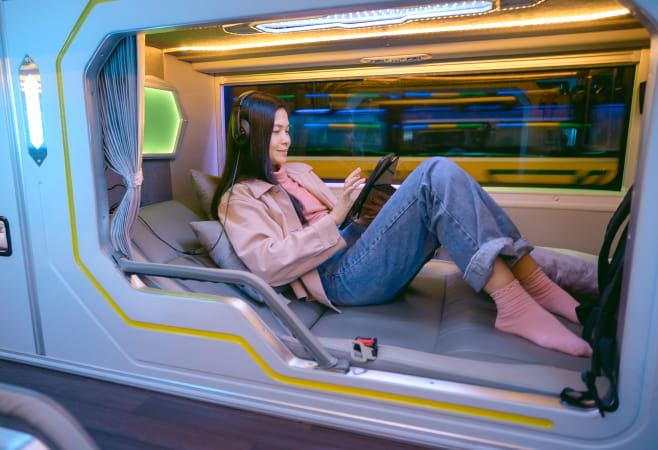 Modern Vietnam sleeper bus with air conditioning and WiFi
2. Before Departure
- Save the bus's license plate number on your phone. Many buses look identical.
- Pack a small bag for the bus. Always keep these in your carry-on bag (Passport, Phone, Wallet, Medicine,..). Large backpacks go in the cargo hold – keep valuables with you.
- Wear comfortable clothes, as tight jeans can feel restrictive on a reclining berth.
- Bring a jacket or socks. The air conditioning is often set extremely cold.
- Useful items such as a light sweater or jacket, Socks, and a travel pillow.
- Bring snacks and water, as break stops are not always predictable.
3. During the Trip
- Download entertainment. WiFi is unreliable, mobile signal drops out often.
- Take photos of the bus. Before getting off at a rest stop, photograph the license plate.
- Bring earplugs. Drivers honk frequently and loudly.
4. After Arrival
Arrange onward transport in advance. The bus company's minibuses are often overcrowded or take detours.
Prepare for early arrival. Some buses arrive hours early.
Toilets and Rest Stops: What to Expect
Most standard sleeper buses do not have a toilet on board. Instead, stops are usually made every 1–2 hours at rest stations, depending on the route. What awaits you:
- Cleanliness: Very basic. Sometimes squat toilets without flushing.
- Cost: Often a 5,000–10,000 VND fee. Keep small change ready.
- Duration: Usually 15–30 minutes. The driver honks when it is time to leave.
- Food: Noodle soup, snacks, and drinks available.
Tip: Do not drink too much during the trip. The next toilet might take longer than promised.
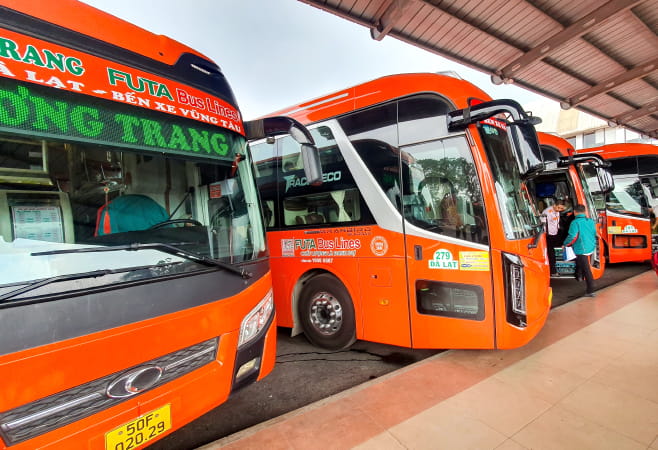 Affordable sleeping bus travel across Vietnam cities
Is Sleeper Bus Travel Safe in Vietnam?
Sleeper buses are a normal part of domestic travel in Vietnam and are widely used by locals and visitors. Even so, taking basic precautions is recommended.
Safety tips:
- Use seatbelts if available
- Board only at official pick-up points
- Label your luggage
- Avoid storing valuables in the luggage hold
Solo travelers should also confirm drop-off points in advance.
Sleeper Bus or Train in Vietnam?
Choose a Sleeper Bus if You:
- Want to save money
- Need flexible schedules
- Plan to visit places without train stations
Choose a Train if You:
- Want a smoother ride
- Need more space
- Travel with babies or small children
For families with infants or travelers with back problems, trains are often more comfortable.
Frequently Asked Questions
Can I actually sleep on a sleeper bus?
Your ability to sleep depends on your tolerance for noise, movement, and road conditions. Light sleepers with earplugs and an eye mask have a good chance. Sensitive sleepers will likely be disappointed.
Are there toilets on the bus?
Sometimes in VIP buses, but not always. In standard buses, almost never. Expect stops every 1–2 hours.
How do I book the best way?
Online through 12Go, Vexere, or Baolau. Or directly through your hotel/hostel – staff can often recommend reliable operators.
Which seat is the best?
Middle berths are the quietest. The lower level is more stable (less rocking), upper level has better views.
Is the sleeper bus suitable for children?
Yes, but with limitations. For young kids, shorter daytime trips might be better.
Final Thoughts
Sleeper buses in Vietnam can be a smart and budget-friendly way to travel long distances. They are convenient, common, and often save time.
A smoother trip usually comes down to choosing a reliable operator and knowing what to expect in advance. With the right route and a little planning, a sleeper bus can be a practical and memorable part of your Vietnam trip.
Related Articles
- Vietnamese Zodiac Years: 12 Animals, Years & Personality Traits
- Cham Island Travel Guide: Things to Do, Tours & Travel Tips
- Vietnam Emergency Number Guide: Who to Call in an Emergency
- Vietnam Golden Visa Guide: Everything You Need to Know
- What Is the Vietnamese Hat? History, Culture & Meaning
- Best Vietnam eSIM for Tourists: Plans, Prices & Setup
- Vietnam Sleeper Bus Guide: Experience, Comfort & Safety
- Vietnam Visa for Children: Rules, Requirements & Family Guide
- Vietnam Nightlife Guide 2026: Best Cities, Bars & Night Experiences
- Vietnam Visa for Cruise Travelers: Rules, Ports & Application Guide

HOW CAN WE HELP?
 NEED HELP 24/7
 United States
+1 949 346 9868
United States
+1 949 346 9868
 United Kingdom
+44 0330 822 7696
United Kingdom
+44 0330 822 7696
 Singapore
+65 6485 3630
Singapore
+65 6485 3630
 Viber
+65 8174 8526
Viber
+65 8174 8526

APPLY WITH CONFIDENCE